Testing of Welded Joints and Metal Products
Quality control of weld seams, reinforcement, embedded parts and metal structures at every stage of construction.
About the service
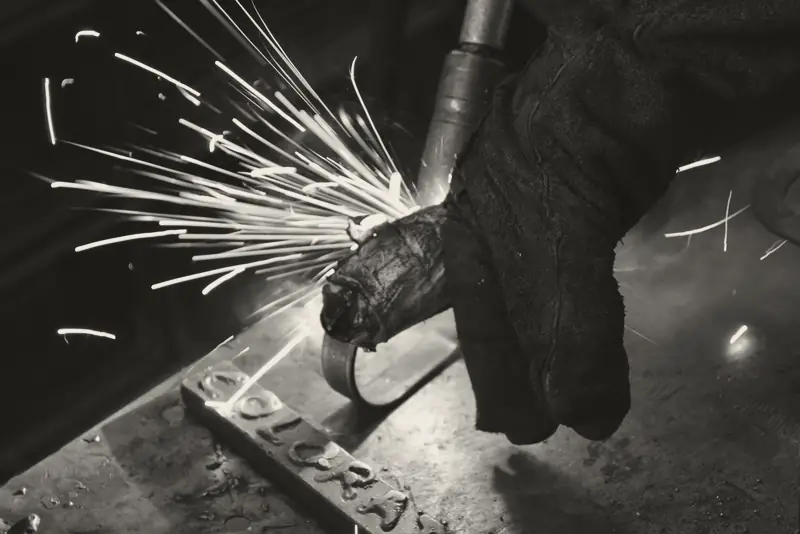
Welded joints are among the most critical elements of building structures. Their quality has a direct bearing on the safety, reliability and durability of buildings and structures. Even minor deviations in welding procedure or non-compliance of the metal with GOST requirements can lead to cracking, loss of strength and structural deformation.
Our laboratory carries out the full range of tests on welded joints and metal products. We perform both non-destructive testing (visual, ultrasonic, magnetic particle, penetrant, radiographic) and destructive testing (tension, bending, impact, hardness).
This approach provides an objective picture of joint quality — covering both surface and internal defects — and allows corrective measures to be proposed where necessary.
We work to current GOST, SNiP and SP standards, as well as to bespoke inspection procedures agreed with the client. All results are issued as official test reports with full legal validity.
What we check
Weld seams and heat-affected zones
We check continuity and the presence of cracks, porosity, lack of fusion, undercuts, inclusions and other defects.
Base metal and reinforcement
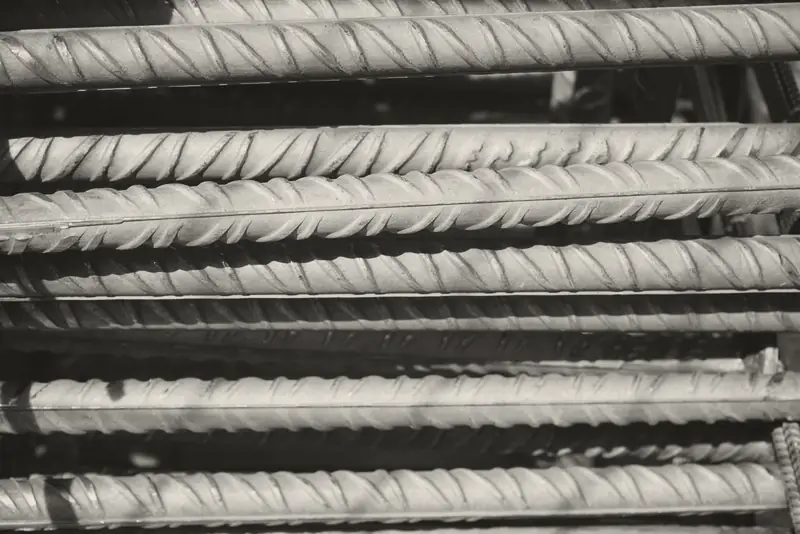
We determine physical and mechanical properties, uniformity, hardness, tensile strength and ductility.
Embedded and steel products
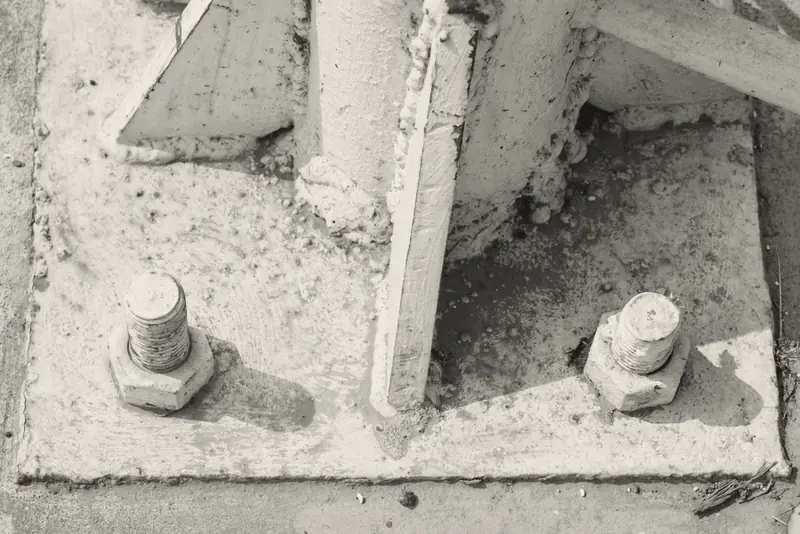
We check weld quality, geometry, thickness and joint integrity, as well as the condition of protective coatings.
Methods and standards
The list is adjusted to the design and accreditation scope. If a method is missing, ask our engineer.
| Method | Standard | Where |
|---|---|---|
| Visual and dimensional testing (VT) | GOST R ISO 17637-2014 | On site |
| Ultrasonic testing (UT) | GOST R 55724-2013 | On site |
| Penetrant testing (PT) | GOST 18442-80 | On site |
| Magnetic particle testing (MT) | GOST R 56512-2015 | On site |
| Mechanical testing of welded joints | GOST 6996-66 | Laboratory |
| Rebar weld inspection | GOST 10922-2012 | Site + lab |
| Weld quality control methods | GOST 3242-79 | Assessment |
Why it matters
Inspection of welded joints is a mandatory part of process supervision during construction. Testing makes it possible to:
- 01Detect hidden defects before the structure enters service
- 02Confirm compliance with design and regulatory requirements
- 03Eliminate the risk of structural failure
- 04Ensure acceptance of the works and handover of the facility without objections
Inspection of welded joints matters not only in new construction but also in reconstruction, repair and the survey of older buildings or bridges.
Testing stages
- 01
Receiving the request and reviewing documentation
We obtain the brief, drawings and material data, and determine the scope and methods of inspection.
- 02
Sampling or a site visit
Where required, specialists visit the site to inspect, sample or carry out on-site testing.
- 03
Carrying out the tests
We perform a set of non-destructive and destructive tests, applying ultrasonic, magnetic particle and other methods. All measurements are taken on certified equipment.
- 04
Analysing the results and preparing the conclusion
Engineers interpret the data, analyse the defects and compare the results against the standards' requirements. A report with conclusions and recommendations is then compiled.
- 05
Handing over the official documents
You receive signed and certified test reports bearing the laboratory's seal, ready for submission to supervisory authorities.
Our advantages
- Accreditation and official test reports — all results carry full legal validity
- Prompt service — most tests completed within 1–3 days
- Modern equipment — the latest generation of ultrasonic and flaw-detection instruments
- A comprehensive approach — from visual inspection to mechanical testing and analysis of metal structure
- Technical guidance from our engineers — we help eliminate identified defects and improve weld quality
Who it is for
- General contractors and construction organisations
- Precast concrete and steel structure plants
- Developers and technical supervision
- Engineering and design firms
- Owners of buildings and structures commissioning surveys
Common questions
What inspection scope do we need?
Do you re-inspect after repairs?
Testing welded joints is more than a formal check. It is a guarantee of the safety and durability of your facility.
We provide objective control and deliver official documentation confirming that the quality of the weld seams meets the standards and the project's requirements.
Request received
An engineer will contact you within one business hour. For urgent matters, please call.
Mon–Fri 9:00–19:00 (MSK), site visits on weekends by arrangement